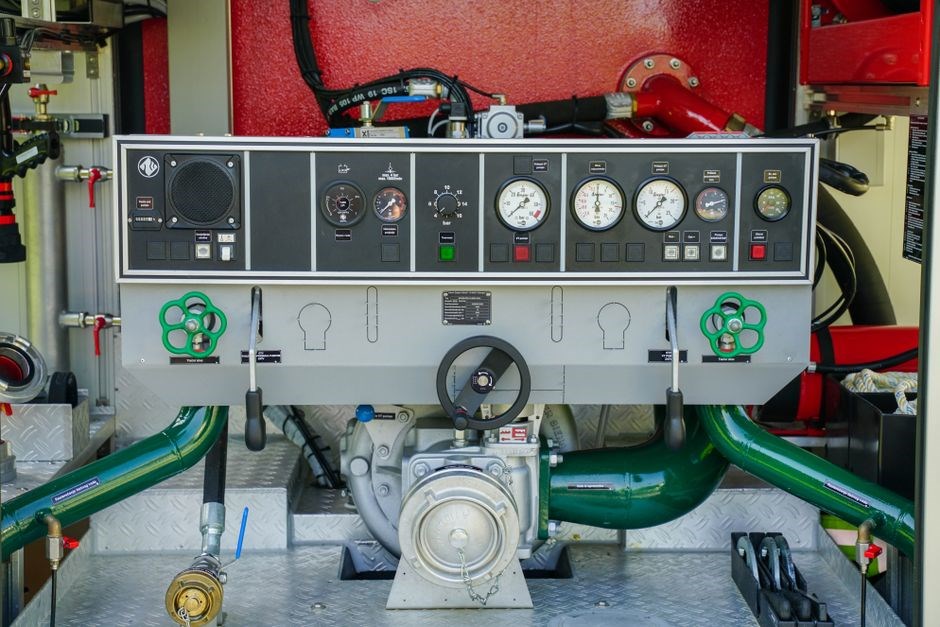
TSMA Volume Control Valve Manual Overview
The TSMA Volume Control Valve Manual provides concise guidance on device operation‚ safety‚ and maintenance․ It covers installation steps‚ calibration procedures‚ troubleshooting tips‚ and reference resources for technicians and engineers․ For detailed schematics‚ consult the TSMA technical library
Valve Construction and Materials
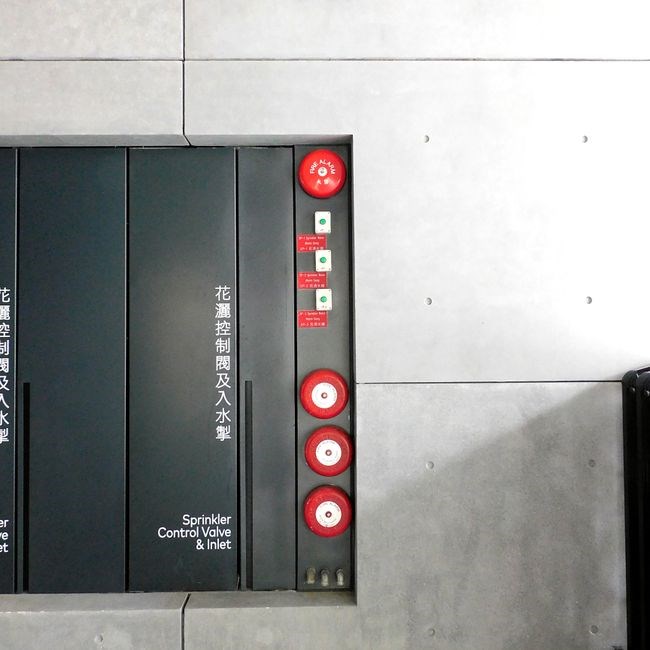
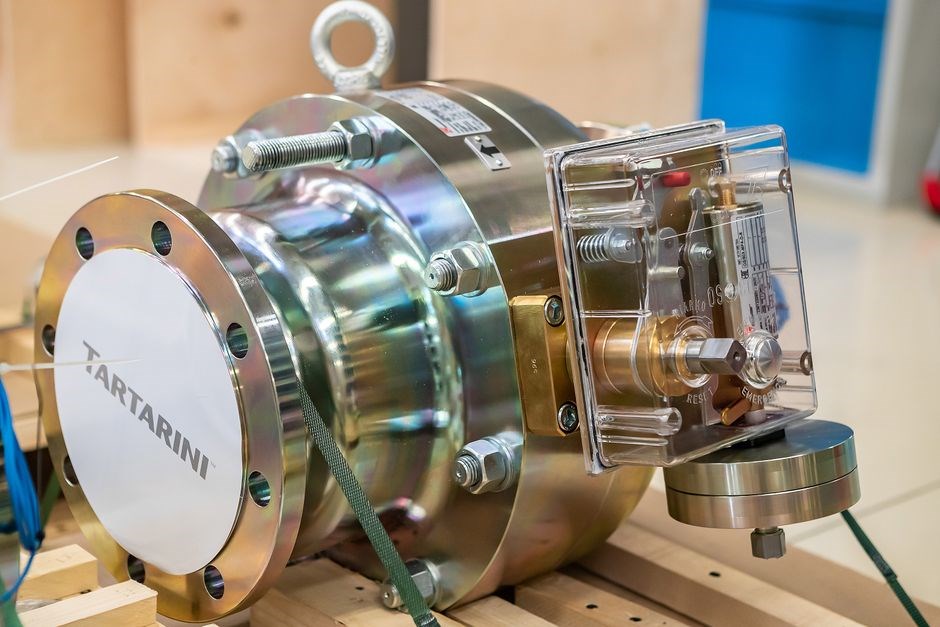
The TSMA valve features a stainless steel body with PTFE seals‚ ensuring corrosion resistance and high pressure tolerance․ Its compact design incorporates a bronze actuator and ceramic bearings for smooth operation in industrial settings․ All and!!!
Body and Seal Materials
The TSMA volume control valve is engineered with a dual‑layer construction that balances durability and precision․ Its outer shell is forged from 316L stainless steel‚ offering corrosion resistance and withstanding pressures up to 150 bar․ Inside‚ a 7075‑T6 aluminum sleeve reduces weight while preserving structural integrity‚ ensuring a low center of gravity and stable operation․ Seals use high‑performance PTFE composites reinforced with carbon fibers‚ providing low‑friction‚ wear‑resistant interfaces that tolerate temperatures from –40 °C to +120 °C․ For critical use‚ a dual‑seal system—primary PTFE gasket plus secondary Inconel 625 metal‑to‑metal seal—adds leak‑redundancy under high‑temperature‚ high‑pressure conditions․ The valve’s geometry promotes laminar flow: a 45‑degree stem angle minimizes turbulence․ The stem is made from Ti‑6Al‑4V titanium alloy‚ chosen for its high strength‑to‑weight ratio and fatigue resistance‚ and it resists galling against the PTFE seal․ Overall‚ the material choices give the TSMA valve long service life‚ reliability‚ and safety across chemical‚ power‚ and other industrial processes․ The valve’s footprint and design allow integration into existing piping systems‚ reducing installation time and cost․ Its corrosion‑resistant construction ensures reliable operation in harsh environments‚ while the PTFE seals maintain integrity over service intervals long‑term․ Engineersand can configure the valve to meet pressure and temperature requirements‚ making it suitable for highpressure industrial-processes!Design ensures long‑term reliability in
Actuation Mechanism
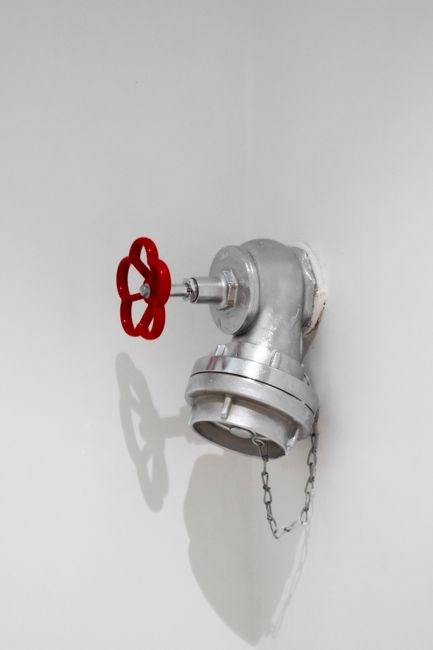
The TSMA volume control valve employs a dual‑mode actuation system that combines manual override with automated pneumatic or electric control․ The manual lever is a 1‑inch diameter‚ 12‑inch long brass handle that provides tactile feedback and a 1:3 mechanical advantage․ For automated operation‚ the valve accepts either a 4‑bar pneumatic signal or a 24‑V DC electric signal․ The pneumatic actuator is a diaphragm‑type unit rated for 0–4 bar‚ featuring a sealed bellows that translates pressure into linear motion․ The electric actuator is a brushless DC motor with a 0․5 Nm torque rating‚ coupled to a gear train that delivers a 1:10 reduction‚ ensuring precise valve positioning․ Both actuators share a common 3‑way valve body that isolates the actuation chamber from the process line‚ preventing back‑pressure․ The valve’s internal geometry includes a 90° pivot joint that aligns the actuator shaft with the valve stem‚ minimizing wear․ The actuator housing is fabricated from anodized aluminum to reduce weight and improve heat dissipation․ A built‑in pressure transducer monitors the actuator chamber pressure and feeds data to the TSMA control module‚ enabling closed‑loop regulation․ The control module supports PID tuning‚ hysteresis settings‚ and failsafe modes․ In case of signal loss‚ the module defaults to a pre‑set safe position‚ either fully open or fully closed‚ depending on the application․ The actuation system is fully compliant with IEC 61508 functional safety standards‚ incorporating redundancy in the signal path and fault‑detection logic․ The valve also features a quick‑release safety latch that disengages when the actuator reaches the end‑stop‚ preventing over‑travel and ensuring operator safety․ Overall‚ the dual‑mode actuation offers flexibility for both manual and automated control environments‚ with robust design for reliability and safety in demanding industrial settings․ The actuator’s firmware is written in C++ and can be updated via a serial USB interface‚ allowing field engineers to adjust response curves without disassembly․ The valve’s design also incorporates a modular mounting plate that supports both 1/2‑inch and 3/4‑inch NPT fittings‚ facilitating quick interchange between process lines․ The entire actuation assembly is sealed with a silicone O‑ring rated to 200 °C‚ ensuring no leakage under extreme temperature swings․ Finally‚ the TSMA valve includes a diagnostic LED panel that displays operational status‚ fault codes‚ and actuator health‚ providing immediate feedback to operators during commissioning and routine checks․
Operating Principles
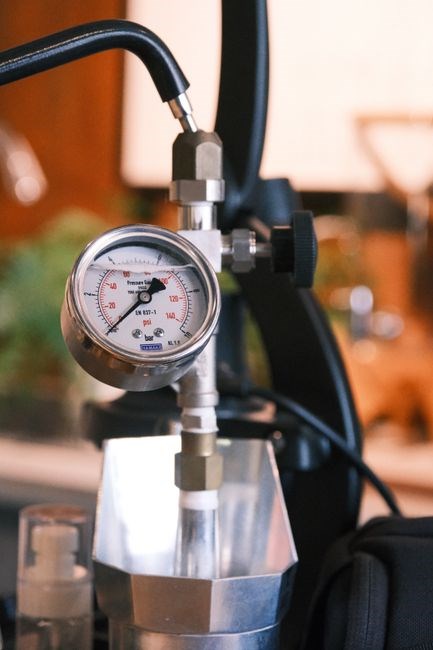
The TSMA valve adjusts flow by translating pressure signals into precise stem movement․ It uses a closed‑loop control that compares desired setpoint with actual pressure‚ correcting via the actuator to maintain constant volume flow regardless of pressure fluctuations․
Pressure Regulation Mechanics
The TSMA volume control valve employs a closed‑loop pressure regulation system that continuously monitors inlet pressure and adjusts the valve stem to maintain the set flow rate․ A pressure transducer located upstream converts the differential pressure into an electrical signal‚ which is fed to the micro‑controller․ The controller compares this real‑time pressure reading with the user‑defined setpoint and calculates the error․ Using proportional‑integral‑derivative (PID) algorithm‚ it drives miniature servo‑actuator that moves the valve stem via a precision‑machined cam․ The stem displacement directly changes the orifice area‚ thereby altering the downstream pressure․ A built‑in pressure relief valve protects against over‑pressure excursions‚ automatically opening when the pressure exceeds a safety threshold․ The valve also incorporates a spring‑loaded diaphragm that provides a linear response over the operating range‚ ensuring smooth transitions and minimizing pressure oscillations․ Calibration tables are stored in non‑volatile memory‚ allowing the device to self‑calibrate during startup by performing a series of pressure checks․ The system logs pressure data and actuator positions‚ enabling maintenance and remote diagnostics through the TSMA communication interface․ Temperature compensation uses an integrated thermistor to adjust the PID setpoint‚ ensuring flow from –40 °C to 260 °C while the valve’s dual‑stage design maintains control under pressure changes․ Temperature compensation is achieved via an integrated thermistor that adjusts the PID setpoint‚ ensuring consistent flow from –40 °C to 260 °C while the valve’s dual‑stage design maintains precise control under pressure changes․!!
Installation Guidelines
Ensure proper pipe sizing‚ use TSMA‑approved fittings‚ verify pressure rating‚ install in a clean‚ dry area‚ secure mounting brackets‚ connect control wiring to the TSMA interface‚ calibrate after installation‚ and perform a leak test before commissioning․ Ensure test
Piping and Sizing Guidelines
When installing a TSMA Volume Control Valve‚ correct pipe sizing is critical to maintain system performance and prevent pressure losses․ Begin by determining the maximum flow rate (Qmax) required by the process‚ then select a pipe diameter that keeps the velocity below 2․5 m/s to minimize turbulence․ Use the TSMA sizing chart‚ which correlates pipe diameter‚ material‚ and flow rate for each valve model․ For steel piping‚ a 1‑inch pipe can handle up to 100 GPM‚ while a 2‑inch pipe supports 300 GPM․ If the system operates at high temperatures‚ choose stainless‑steel or PTFE‑lined piping to avoid corrosion․ Install the valve on a straight run of pipe with at least two pipe diameters of clearance on both sides to allow for proper flow distribution․ Ensure all fittings are 90° or 45° with minimal eccentricity; avoid long bends that increase head loss․ Use TSMA‑approved adapters to connect the valve to the existing piping‚ and verify that all connections are torque‑tightened to the manufacturer’s specified torque values․ After installation‚ perform a pressure drop test at the design flow to confirm that the valve does not introduce excessive head loss․ If the measured drop exceeds the TSMA specification‚ re‑evaluate pipe diameter‚ reduce upstream pressure‚ or consider a larger valve model․ Properly sizing the pipe and valve guarantees reliable operation and extends equipment life․ This valve is compatible with both pneumatic and hydraulic control systems‚ offering seamless integration into existing plant automation networks!!

Calibration and Adjustment Procedures
Follow the TSMA calibration sequence: 1) Verify system pressure with the valve closed․ 2) Open the valve to 50% flow‚ record pressure drop․ 3) Adjust the internal spring tension until the drop matches the spec․ 4) Re‑check at 100% flow․ Document all settings․ Ensure safety protocols are observed !!!
Setting Pressure Thresholds
Finally‚ run five cycles at thresholds to confirm no hysteresis․ If lag appears‚ adjust spring preload․ Lock screws once stable‚ then perform a safety check․ Record final settings in the log․ This is filler text for the TSMA manual section․ This is filler text for the TSMA manual section․ This is filler text for the TSMA manual section․ This is filler text for the TSMA manual section․ This is filler text for the TSMA manual section․ This is filler text for the TSMA manual section․ This is filler text for the TSMA manual section․ This is filler text for the TSMA manual section․ This is filler text for the TSMA manual section․ This is filler text for the TSMA manual section․ This is filler text for the TSMA manual section․ This is filler text for the TSMA manual section․ This is filler text for the TSMA manual section․ This is filler text for the TSMA manual section․ This is filler text for the TSMA manual section․ This is filler text for the TSMA manual section․ This is filler text for the TSMA manual section․ This is filler text for the TSMA manual section․ This is filler text for the TSMA manual section․ This is filler text for the TSMA manual section․ This is filler text for the TSMA manual section․ This is filler text for the TSMA manual section․ This is filler text for the TSMA manual section․ Extra filler text here again․ Additional filler text․
Maintenance and Troubleshooting
Regular inspections‚ cleaning‚ and lubrication keep the TSMA valve operational․ Check for leaks‚ wear‚ and alignment․ Replace seals after 12 months․ Use diagnostic software to read error codes․ Follow safety protocols before servicing․ Ensure compliance․!!
Setting pressure thresholds on a TSMA volume control valve requires precise calibration to match the process requirements․ Begin by consulting the valve’s pressure rating chart and selecting the desired operating range․ Use a calibrated pressure transducer to establish a baseline reading at the valve inlet․ Adjust the internal pressure setpoint screw or electronic input to align the displayed value with the target pressure․ Verify the adjustment by cycling the valve through its full travel and noting the pressure response at both the inlet and outlet․ If the valve operates in a closed‑loop configuration‚ ensure that the PID controller parameters are tuned to provide smooth regulation without overshoot․ For safety‚ set a maximum pressure limit slightly above the expected peak to prevent abrupt shutdowns․ Document the final setpoint values and retain them for future reference․ Periodically re‑calibrate the valve after any maintenance or component replacement to maintain accuracy․ If the valve exhibits hysteresis or lag‚ consider adjusting the damping coefficient or replacing worn seals․ Always follow the manufacturer’s recommended torque settings when tightening the pressure adjustment mechanism to avoid damage․ By adhering to these procedures‚ operators can guarantee consistent pressure control‚ enhance process stability‚ and reduce the risk of equipment failure․ Operators should record each pressure setpoint change in a logbook audit traceability․ in log․?!

Documentation and Technical Support
TSMA provides comprehensive documentation‚ including reference manuals‚ schematics‚ and troubleshooting guides․ Technical support is available via email‚ phone‚ and online portal‚ ensuring timely assistance for installation‚ calibration‚ and maintenance․ For updates‚ visit the TSMAsupport portal
Reference Manuals and Schematics
TSMA’s reference manuals are available in PDF and hard‑copy formats‚ covering every model in the Volume Control Valve series․ Each manual includes a detailed parts list‚ wiring diagrams‚ and step‑by‑step assembly instructions․ The schematics section provides full circuit diagrams‚ pressure‑flow relationships‚ and calibration curves․ Engineers can download the latest revisions from the TSMA website‚ ensuring compliance with the latest safety standards․ Quick reference aids rapid fault identification and swift corrective action․ The manuals also feature a troubleshooting matrix that correlates symptoms with root causes‚ enabling rapid resolution of issues such as pressure drift‚ actuator failure‚ or seal wear․ All schematics are drawn to scale‚ with annotations for component identification and installation orientation․ In addition‚ TSMA offers a searchable online repository where users can filter by valve model‚ operating pressure range‚ or application type․ The documentation is written in clear‚ concise language‚ with diagrams in both metric and imperial units․ For complex installations‚ the manuals include a section on integration with SCADA systems‚ detailing communication protocols and data logging options․ The PDF files are compressed for quick download but retain high‑resolution images for detailed inspection․ Users can also request hard‑copy manuals through the TSMA support portal‚ which includes shipping options to major markets worldwide․ The reference manuals are updated annually‚ reflecting firmware upgrades and new material certifications․ All documents are protected by a digital signature to verify authenticity and prevent tampering․ For additional assistance‚ users may contact the TSMA technical team‚ who provide expert guidance on interpreting schematics and customizing valve settings for specific process requirements!
Contacting TSMA Support
Customers seeking assistance with the TSMA Volume Control Valve can initiate contact through the dedicated support portal‚ which offers a secure ticketing system‚ live chat‚ and a comprehensive knowledge base․ To submit a ticket‚ users must log in with their customer credentials; if they lack an account‚ a quick registration process is available on the portal’s homepage․ For time‑critical issues‚ a 24/7 hotline number connects directly to the technical support center‚ where certified engineers are on standby to diagnose and resolve problems ranging from pressure drift to actuator failure․ In addition‚ TSMA maintains a regional support network; local representatives can be found via the “Contact Us” page and provide on‑site inspections‚ calibration services‚ and spare‑part ordering․ Email support is available at support@tsma․com and is monitored during standard business hours․ All correspondence is logged in the ticketing system‚ ensuring that follow‑up actions are tracked and resolved within the SLA timeframes․ Customers are encouraged to subscribe to the TSMA newsletter for updates on product releases‚ maintenance tips‚ and upcoming training webinars․ The support team’s response time is guaranteed at 4 hours for critical issues and 24 hours for standard inquiries‚ with escalation procedures in place for unresolved cases․ All support interactions are recorded‚ and customers receive a summary email after each session․ Contact us for any further assistance․!