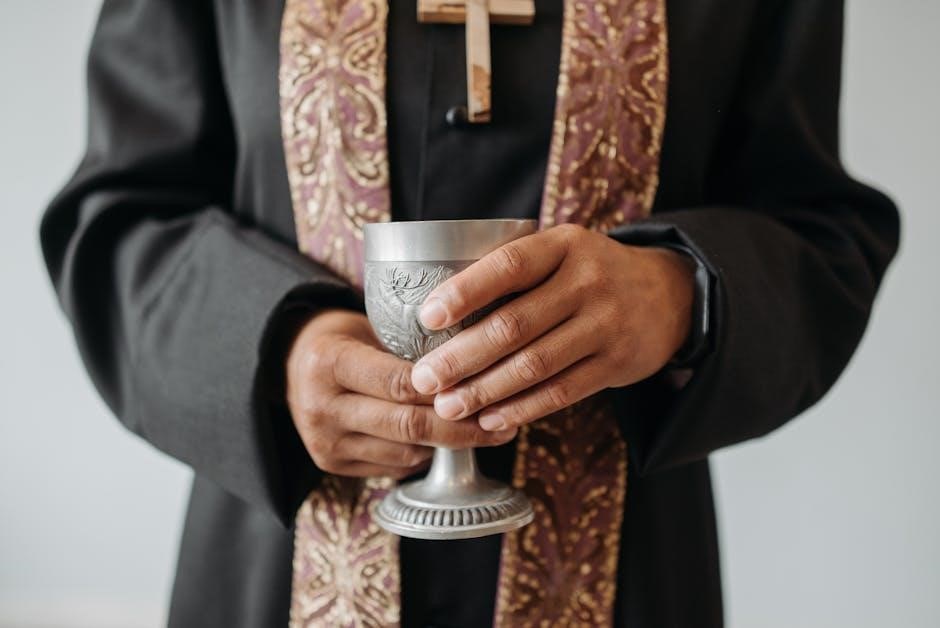
This essential sacrament offers divine mercy and healing, restoring a broken relationship with God and the Church․ It’s a pathway to spiritual renewal, readily available to all․
A․ Defining the Sacrament
The Sacrament of Reconciliation, also known as Confession or Penance, is a sacred ritual instituted by Jesus Christ for the forgiveness of sins․ It’s a tangible expression of God’s boundless mercy, offering a pathway to healing and restoration․ Through this sacrament, individuals acknowledge their failings, express genuine sorrow, and receive absolution from a priest acting in persona Christi․
This isn’t merely about admitting wrongdoing; it’s about encountering God’s loving embrace and receiving the grace to avoid sin in the future․ Reconciliation repairs the damage caused by sin, both in our relationship with God and with the Church community, fostering spiritual growth and peace․
B․ Historical Development
The roots of Reconciliation trace back to the early Church, mirroring practices of public penance described in the New Testament and early Church Fathers․ Initially, public confession and absolution were common, with penitents undertaking lengthy periods of repentance․ Over time, as the Church grew, the practice evolved towards private confession, offering greater privacy and pastoral care․
By the medieval period, the form we recognize today – individual confession to a priest – became firmly established․ Throughout the centuries, the sacrament has been consistently affirmed by Church councils and theologians, solidifying its importance in the life of believers and its role in offering God’s forgiveness․
C․ Importance in Catholic Life (as of 04/09/2026)
As of today, April 9th, 2026, the Sacrament of Reconciliation remains a cornerstone of Catholic spiritual life, offering a direct encounter with God’s mercy․ It’s not merely about confessing sins, but about receiving healing, strengthening faith, and renewing one’s relationship with the Church community․
Catholics are encouraged to participate regularly, recognizing its power to overcome spiritual wounds and foster peace․ The sacrament provides grace to resist future temptations and live a more virtuous life, vital for personal growth and contributing to the well-being of the wider Church․

II․ Names of the Sacrament
This sacrament is known by several names: Confession, Penance, Reconciliation, and is uniquely protected by the Seal of Confession, ensuring absolute privacy․
A․ Confession
The term “Confession” directly highlights the act of acknowledging and verbally expressing one’s sins to a priest․ This isn’t merely a disclosure, but a crucial step towards receiving God’s forgiveness․ It’s rooted in the belief that openly admitting wrongdoing breaks down barriers and allows for healing․
Historically, public confession was practiced, but evolved into the private setting we know today, safeguarding the penitent’s dignity․ Confession emphasizes honesty and accountability, fostering a deeper self-awareness․ It’s a tangible expression of humility and a sincere desire for reconciliation with God and the Church, paving the way for absolution;
B․ Penance
“Penance” emphasizes the reparative aspect of the Sacrament, acknowledging that sin causes harm and requires amends․ It’s not a punishment imposed by God, but rather a healing process designed to restore the relationship damaged by sin․ This involves accepting and completing a task assigned by the priest – a form of spiritual medicine․
Historically, penances were often public acts of reparation․ Today, they are typically prayers, acts of charity, or self-denial tailored to the individual․ Penance demonstrates a commitment to change and a desire to avoid repeating past mistakes, fostering genuine conversion and spiritual growth․
C․ Reconciliation
The name “Reconciliation” beautifully highlights the core purpose of the sacrament: restoring a harmonious relationship with God and the Church community․ Sin fractures this connection, creating distance and spiritual wounds․ Through Reconciliation, these bonds are mended, offering peace and renewed grace․
This name emphasizes that forgiveness isn’t simply about wiping the slate clean, but about rebuilding trust and unity․ It acknowledges the communal dimension of sin and the importance of healing the wounds inflicted upon the Church․ Reconciliation is a journey to restored fellowship․
D․ Seal of Confession
The “Seal of Confession” is an absolute and unbreakable guarantee of confidentiality, held sacred by the Church․ Priests are bound by divine law – and face the most severe penalties – to never reveal anything confessed during Reconciliation, even under threat of death․ This ensures complete trust for the penitent․
This inviolable seal allows individuals to speak openly and honestly about their sins, knowing their privacy is fully protected․ It’s a testament to the Church’s commitment to fostering genuine repentance and healing․ The seal isn’t about the priest; it’s about God’s mercy․
III․ Biblical Basis for Reconciliation
Jesus empowered his apostles to forgive sins (John 20:22-23), establishing the foundation for this sacrament of healing and restoration․
A․ Jesus’ Forgiveness of Sins
Throughout his ministry, Jesus demonstrated a profound capacity and authority to forgive sins, offering healing and restoration to those who sought him․ He forgave the paralytic lowered through the roof (Mark 2:5-12), showcasing God’s mercy and power․
Jesus didn’t merely overlook offenses; he addressed the root of sin, offering genuine forgiveness and a fresh start․ This consistent pattern of forgiving sins establishes a crucial precedent for the Sacrament of Reconciliation․ His actions reveal God’s desire for a restored relationship with humanity, a desire made accessible through this sacred encounter․
B․ Matthew 16:19 ─ Keys to the Kingdom
In Matthew 16:19, Jesus grants Peter and, through him, the Apostles the “keys to the kingdom of heaven,” empowering them to “bind and loose”․ This pivotal verse is intrinsically linked to the authority to forgive sins, as what is bound on earth is bound in heaven, and what is loosed on earth is loosed in heaven․
This delegation of authority isn’t a mere symbolic gesture; it’s a direct bestowal of power to reconcile sinners to God․ The Apostles, and their successors – bishops and priests – are entrusted with the responsibility and grace to administer God’s forgiveness through the Sacrament of Reconciliation, continuing Jesus’s merciful work․
C․ John 20:22-23 ─ Granting Absolution
The Gospel of John (20:22-23) vividly portrays the risen Christ breathing the Holy Spirit upon his disciples, bestowing upon them the power to forgive sins․ This isn’t simply declaring forgiveness, but actually effecting it through the divine authority granted by Jesus himself․ This act directly establishes the foundation for the Sacrament of Reconciliation․
This passage confirms that the authority to absolve is a gift from Christ, passed down through apostolic succession․ Priests, acting in persona Christi (in the person of Christ), utilize this power to offer absolution, mediating God’s mercy and restoring believers to grace, echoing the original breath of the Holy Spirit․
IV․ The Effects of the Sacrament
Confession yields profound graces: forgiveness of sins, reconciliation with God and the Church, and inner peace․ It’s a transformative spiritual healing experience․
A․ Forgiveness of Sins
The primary effect of Reconciliation is the absolution from sins committed after Baptism․ Through the priest’s ministry, acting in persona Christi, God’s mercy is directly extended to the penitent․ This isn’t simply a declaration of forgiveness, but a real and efficacious act that removes the objective guilt of sin․
Both mortal and venial sins can be forgiven, though the gravity of mortal sin necessitates confession․ Receiving absolution restores grace lost through sin, repairing the damage done to one’s relationship with God․ It’s a powerful demonstration of God’s unwavering love and desire for our healing, offering a fresh start and renewed spiritual life․
B․ Reconciliation with God
Beyond simply forgiving sins, Reconciliation actively restores our broken relationship with God․ Sin creates a distance, a separation from the divine source of love and life․ This sacrament bridges that gap, allowing us to return to a state of grace and intimacy with our Creator․
It’s a profound experience of healing and renewal, fostering a deeper trust in God’s mercy․ Through confession, we acknowledge our failings and humbly seek His forgiveness, opening our hearts to receive His grace․ This renewed connection empowers us to live more fully as beloved children of God․
C․ Reconciliation with the Church
Sin doesn’t just harm our relationship with God; it also wounds the Body of Christ, the Church․ As members of this community, our actions impact others, creating ripples of brokenness․ The Sacrament of Reconciliation isn’t solely about individual forgiveness, but also about repairing the damage done to the Church․
Through confession, we acknowledge our offenses against the community and seek restoration․ This act of humility strengthens the bonds of unity and fosters a spirit of mutual support․ It reaffirms our commitment to living as faithful members, contributing to the Church’s mission of love and service․
D․ Peace and Spiritual Healing
Beyond the forgiveness of sins, Reconciliation offers profound peace and spiritual healing․ The weight of guilt and shame can be incredibly burdensome, hindering our growth and joy․ Confession lifts this burden, replacing it with a sense of lightness and freedom․
This isn’t merely emotional relief; it’s a deep, transformative experience that touches the core of our being․ Receiving absolution and completing the assigned penance allows God’s grace to flow into our lives, mending what was broken and strengthening our resolve to live a more virtuous life․ It’s a true encounter with mercy․
V․ Who Can Receive the Sacrament?
Baptized Catholics who have reached the age of reason and recognize having committed a mortal sin are eligible to receive this healing sacrament․
A․ Baptized Catholics
The Sacrament of Reconciliation is fundamentally for those who have already received the gift of Baptism․ This initial sacrament marks entry into the Christian community and imparts sanctifying grace․ Without Baptism, one isn’t considered a member of the Church, and therefore, isn’t eligible to receive the healing offered through Penance․
It’s a continuation of the grace initiated at Baptism, addressing sins committed after receiving this foundational sacrament․ Essentially, Reconciliation builds upon the foundation of Baptism, offering a pathway to restoration when that grace is wounded by sin․ This underscores the importance of Baptism as a prerequisite for receiving absolution․
B․ Age of Reason
To receive the Sacrament of Reconciliation with full consciousness and intention, one must have reached the “age of reason․” This isn’t a fixed chronological age, but rather the point at which a child begins to understand the difference between right and wrong, and can make a deliberate choice to follow God’s law․
Typically, this aligns with the age of First Confession, around seven or eight years old, but varies depending on the individual’s maturity․ Prior to reaching this age, children are considered incapable of committing mortal sin, and therefore, don’t require sacramental absolution․ Understanding is key to a valid confession․
C․ Recognizing Mortal Sin
The Sacrament of Reconciliation is particularly vital after committing a “mortal sin,” a grave offense against God that breaks our relationship with Him․ Mortal sins require absolution to restore grace․ These sins involve serious matter, complete knowledge of its sinfulness, and full consent of the will․
Examples include serious violations of the Ten Commandments․ Recognizing these sins requires honest self-reflection and discernment․ If unsure whether a sin is mortal, it’s best to confess it; the priest can offer guidance․ Avoiding mortal sin strengthens our spiritual life․

VI․ The Three Forms of Reconciliation
Reconciliation manifests in three forms: individual confession, multiple penitents with individual absolution, and general confession with absolution for groups․
A․ Individual Reconciliation
This is the most common form, offering a personal encounter with God’s mercy․ The penitent privately confesses sins to a priest, receiving tailored guidance and absolution․ It allows for a deeply personal examination of conscience and a focused conversation about spiritual struggles․ This intimate setting fosters trust and facilitates a more thorough understanding of one’s failings and the path to amendment․ The priest acts as a compassionate guide, offering counsel rooted in faith and Church teaching․ It’s a powerful experience, providing direct access to the healing power of the sacrament and strengthening one’s relationship with God and the Church community․
B․ Reconciliation of Several Penitents (Individual Confession)
This form balances communal celebration with the privacy of individual confession․ Several penitents gather, often during parish missions or retreats, and participate in a service of repentance․ Each person then individually confesses their sins to a priest, receiving absolution privately․ This method combines the power of communal prayer and reflection with the personalized guidance of individual confession․ It’s particularly useful when numerous people seek reconciliation simultaneously, offering a structured and reverent experience․ The shared atmosphere encourages deeper contrition and a renewed commitment to living a life of faith, while still maintaining the sacredness of the individual encounter․
C․ Reconciliation with General Confession and Absolution
Reserved for extraordinary circumstances, this form involves a communal confession followed by a general absolution by the priest․ It’s utilized when the sheer number of penitents, or imminent danger, prevents individual confessions․ While not the typical method, it’s a valid means of receiving God’s forgiveness․ Penitents make a sincere act of contrition, acknowledging their sins generally, before the priest pronounces absolution for the entire group․ Individual confession is still encouraged when possible, as it allows for personalized counsel․ This form underscores the Church’s pastoral concern, ensuring access to grace even in challenging situations․
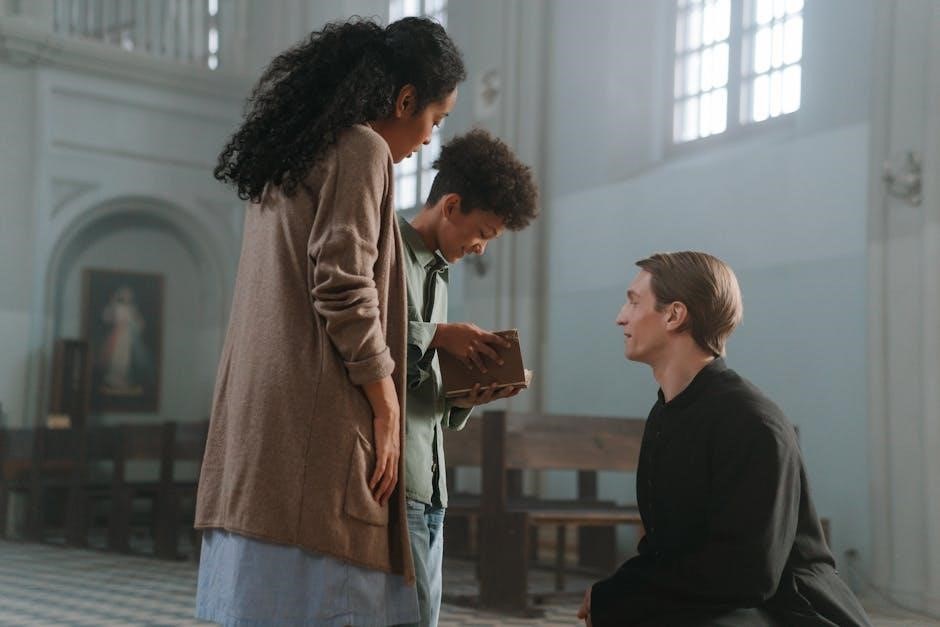
VII․ Preparing for Confession
Thoughtful preparation is key: examine your conscience, experience genuine sorrow for your sins, and resolve to avoid them in the future․
A․ Examination of Conscience
A thorough examination of conscience is the crucial first step in preparing for Reconciliation․ This involves honestly reflecting on your actions, thoughts, and words in light of God’s commandments and the teachings of the Church․ Consider areas where you may have fallen short – have you loved God fully? Have you treated others with respect and compassion?
Utilize resources like the Ten Commandments, the Beatitudes, or specific guides tailored to your state in life․ Don’t simply list sins; strive to understand the underlying motivations and patterns․ This self-reflection isn’t about self-condemnation, but about recognizing where God’s grace is most needed in your life, paving the way for genuine contrition․
B․ Contrition (Sorrow for Sins)
Genuine contrition, a heartfelt sorrow for having offended God, is essential for receiving absolution․ It’s more than just feeling bad; it’s a deep regret stemming from love for God and a realization of the harm caused by sin․ Perfect contrition arises from love of God, while imperfect contrition stems from fear of punishment․
Prayerful reflection on the consequences of your sins – both for yourself and others – can foster this sorrow․ Ask for God’s grace to truly turn away from sin․ Contrition isn’t merely an emotion, but a firm resolve to avoid sin in the future, fueled by a desire for reconciliation․
C․ Firm Purpose of Amendment
Alongside contrition, a firm purpose of amendment is crucial․ This isn’t simply promising to try harder, but a resolute decision to avoid sin and actively seek to live a virtuous life․ It involves identifying the root causes of your sins – be they habits, environments, or weaknesses – and taking concrete steps to address them․
This commitment may require seeking guidance, avoiding temptations, and cultivating good habits․ A genuine purpose of amendment demonstrates a sincere desire for change, not just forgiveness․ It’s a pledge to cooperate with God’s grace in the ongoing journey of faith․
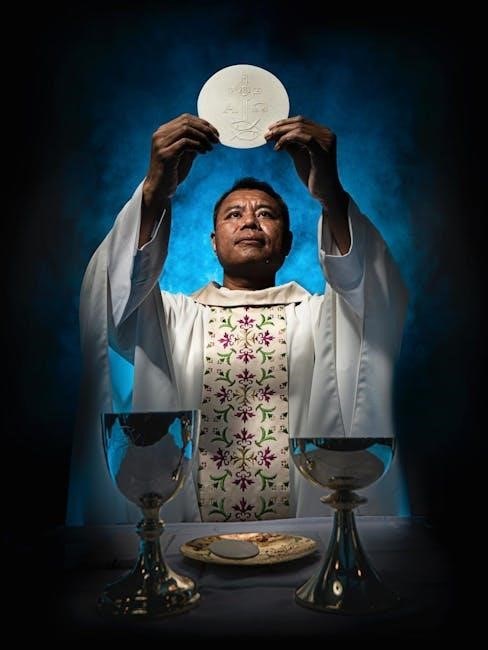
VIII․ The Act of Confession
Confession involves humbly approaching the priest, honestly disclosing sins, and receiving guidance․ It’s a vulnerable yet liberating act of acknowledging wrongdoing and seeking healing․
A․ Approaching the Confessional
Preparing to enter the confessional requires a spirit of humility and reverence․ Take a moment for quiet prayer, focusing on God’s mercy and your desire for forgiveness․ Remember Jesus’ welcoming embrace of sinners․ The confessional itself is a sacred space, designed for privacy and spiritual encounter․
Approach with a sincere heart, understanding this is a meeting with God’s love through His priest․ Don’t be afraid or ashamed; the priest is there as a compassionate instrument of God’s grace․ Knowing the priest is bound by the Seal of Confession offers reassurance and encourages openness․
B․ Confessing Sins to the Priest
Speak honestly and openly, detailing your sins with humility and contrition․ It’s helpful to confess types and numbers of sins, rather than dwelling on excessive detail․ Focus on the moral gravity of your actions, acknowledging how you’ve offended God and harmed others․ Don’t minimize or excuse your wrongdoing; embrace accountability․
Remember, the priest is a compassionate listener, acting in persona Christi – in the person of Christ․ He’s not there to judge, but to offer God’s healing․ If you struggle to articulate your sins, simply ask for guidance․ The goal is sincere repentance and a desire for amendment․
C․ The Priest’s Counsel
After your confession, the priest may offer guidance, encouragement, or spiritual direction․ This counsel isn’t a lecture, but a loving attempt to help you avoid future sin and grow closer to God․ Listen attentively and be open to his wisdom, recognizing it as a gift from the Holy Spirit․
He might suggest specific prayers, practices, or ways to address the root causes of your failings․ Don’t hesitate to ask clarifying questions or share any struggles you’re facing․ The priest’s role is to support your journey toward healing and holiness․

IX․ Absolution and Penance
The priest, acting in persona Christi, pronounces absolution, forgiving your sins․ He then assigns a penance—a prayer, act of service—for spiritual healing․
A․ The Formula of Absolution
The priest utters the sacred words of absolution, a powerful declaration of God’s forgiveness․ This formula, “I absolve you from your sins, in the name of the Father, and of the Son, and of the Holy Spirit,” isn’t merely a statement, but a conduit of divine grace․ It’s through these words, spoken with the authority granted by Christ, that sins are truly remitted․
This act signifies reconciliation not only with God, but also with the Church, which has been wounded by the offense․ Receiving absolution is a profound experience, offering peace and a fresh start․ It’s a tangible expression of God’s boundless mercy and love, readily available to those who seek it with a contrite heart․
B․ Assigning Penance
Following absolution, the priest assigns a penance – a tangible expression of sorrow and a commitment to amendment․ This isn’t a punishment, but a healing act, designed to help the penitent turn away from sin and embrace a life of virtue․ Penances vary, often including prayers, acts of charity, or self-denial․
The assigned penance serves as a concrete step towards repairing the harm caused by sin and strengthening one’s resolve to avoid future offenses․ Completing the penance demonstrates genuine contrition and a desire for spiritual growth, solidifying the reconciliation process․
C․ Completing the Penance
After receiving the assigned penance, diligently fulfilling it is crucial for the complete effect of the Sacrament․ This act demonstrates sincere remorse and a firm commitment to change․ It’s not merely checking off a box, but an active participation in one’s own healing and restoration․
Completing the penance signifies a tangible effort to repair the damage caused by sin and to strengthen one’s relationship with God․ It’s a vital step in experiencing the full grace and peace offered through Reconciliation, fostering lasting spiritual growth․
X․ Frequently Asked Questions
Common questions about Confession are addressed here, offering clarity and guidance for a fulfilling experience of God’s boundless mercy and forgiveness․
A․ How Often Should I Go to Confession?
While not mandatory for every sin, frequent reception of the Sacrament of Reconciliation is strongly encouraged for spiritual growth․ The Church teaches that regular confession, even for venial sins, deepens our relationship with God and strengthens us against temptation․
Ideally, Catholics should strive to go to Confession at least once a year, fulfilling the precept․ However, seeking forgiveness more often – monthly, or even weekly – can be incredibly beneficial․ It’s a powerful way to experience God’s healing grace and receive guidance for living a virtuous life․ Don’t delay; embrace this gift!
B․ What if I Forget a Sin?
Don’t be overly anxious if you realize after Confession that you’ve forgotten to mention a sin․ As long as you made a sincere effort to confess everything you remembered at the time, the absolution is still valid․
However, if the forgotten sin is grave, it’s advisable to mention it at your next confession․ You are not required to immediately return, but doing so demonstrates continued honesty and a desire for complete purification․ God understands our human limitations and values genuine remorse․
C․ Can I Confess Another Person’s Sin?
Generally, you cannot directly confess another person’s sins in the Sacrament of Reconciliation․ Confession is a deeply personal act requiring individual accountability and contrition for your own offenses against God․ You can, however, mention another person’s actions if they have directly harmed you and are contributing to your own spiritual struggle․
This isn’t confessing their sin, but revealing a situation impacting your conscience․ Focus on your response to their actions and any resulting sins you’ve committed, like anger or resentment․