
The 6.7 Cummins manual regeneration switch is a crucial component for maintaining optimal engine performance and adhering to EPA emission standards‚ ensuring longevity.
What is a Manual Regeneration?
Manual regeneration is a process initiated by the driver to actively burn off accumulated soot within the Diesel Particulate Filter (DPF) of a 6.7 Cummins engine. Unlike passive regeneration‚ which occurs automatically during normal highway driving conditions‚ a manual regeneration requires a stationary vehicle and a specific procedure. This process elevates exhaust temperatures to a level sufficient to oxidize and eliminate the trapped particulate matter.
It’s essentially a controlled burn‚ triggered when the DPF becomes excessively loaded and automatic regeneration isn’t feasible. Understanding this process is vital for owners‚ as neglecting it can lead to reduced engine performance‚ increased fuel consumption‚ and potential DPF failure‚ incurring costly repairs;
Why is Regeneration Necessary for the 6.7 Cummins?
The 6.7 Cummins engine‚ equipped with a Diesel Particulate Filter (DPF)‚ necessitates regular regeneration to comply with stringent EPA emission regulations. These regulations aim to reduce harmful particulate matter released into the atmosphere. The DPF traps soot‚ a byproduct of diesel combustion‚ and regeneration is the process of burning off this accumulated soot.
Without consistent regeneration‚ the DPF becomes clogged‚ restricting exhaust flow. This leads to decreased engine power‚ reduced fuel efficiency‚ and potentially‚ engine damage. Frequent regeneration‚ both automatic and manual‚ ensures optimal engine performance‚ maintains emissions compliance‚ and prolongs the life of the DPF system‚ avoiding expensive replacements.

Understanding the Diesel Particulate Filter (DPF)
The DPF is a vital emissions control device‚ trapping exhaust soot to meet EPA standards‚ and requiring periodic regeneration for optimal function.
How the DPF Works
The Diesel Particulate Filter (DPF) functions as a sophisticated trap for diesel exhaust soot. As exhaust gases pass through the DPF’s ceramic honeycomb structure‚ particulate matter is filtered out‚ preventing its release into the atmosphere. However‚ this filtration process inevitably leads to a buildup of soot within the filter.
To prevent complete blockage and maintain exhaust flow‚ the accumulated soot must be periodically removed through a process called regeneration. This involves elevating exhaust temperatures to a level high enough – typically around 1100-1200°F – to oxidize the soot into ash. Regeneration can occur passively during normal highway driving‚ or actively through engine management system intervention‚ and sometimes‚ manual initiation via a switch.
Causes of DPF Clogging
Several factors contribute to Diesel Particulate Filter (DPF) clogging in the 6.7 Cummins engine. Frequent short trips prevent the engine from reaching temperatures sufficient for passive regeneration‚ leading to soot accumulation. Using low-quality fuel can also increase soot production.
Additionally‚ engine issues like faulty fuel injectors or excessive oil consumption can exacerbate the problem. Stop-and-go driving‚ coupled with idling‚ further hinders natural regeneration cycles. Ignoring DPF warning lights and delaying necessary regeneration procedures allows soot to build up‚ potentially causing severe engine performance issues and costly repairs. Regular maintenance and appropriate driving habits are crucial for preventing premature clogging.

Identifying the 6.7 Cummins Engine Variants
Understanding the 6.7 Cummins engine year and specific model is vital‚ as regeneration switch locations and procedures can vary significantly between variants.
Differences Between Engine Years (2007-Present)
The location and even the presence of a manual regeneration switch on the 6.7 Cummins engine have evolved considerably since 2007. Early models (2007-2009) often relied more heavily on automatic regeneration cycles‚ with manual switches being less common or absent. Later years‚ particularly post-2010 with stricter emissions regulations‚ saw the increased integration of manual regeneration capabilities.
Ram trucks‚ a primary application for this engine‚ experienced changes in dashboard layouts and switch designs. Identifying the specific year is crucial because the switch location isn’t standardized. Some years feature a dedicated button‚ while others integrate the function into the vehicle’s electronic control system accessed through the information display. Therefore‚ pinpointing the engine year is the first step in locating the switch.
Impact of Engine Variant on Regeneration Procedures
The specific 6.7 Cummins engine variant significantly impacts the manual regeneration process and switch functionality. Differences in engine control modules (ECMs) and software calibrations dictate how regeneration is initiated and monitored. Earlier variants might require a longer regeneration cycle or have different pre-regeneration checks compared to newer models.
Furthermore‚ the diagnostic information available during regeneration varies. Some ECMs provide detailed data via a scan tool‚ while others offer limited feedback. This influences troubleshooting if a regeneration fails. Knowing the exact engine build date and variant is therefore essential for correctly performing a manual regeneration and interpreting any associated error codes. The switch location itself remains a key identifier of the engine’s generation.

Location of the Manual Regeneration Switch – General Overview
Typically found within the cab‚ the 6.7 Cummins manual regeneration switch is commonly located on the dashboard or near the steering column for easy access.
Common Locations within the Cab
The 6.7 Cummins manual regeneration switch placement varies slightly depending on the specific truck model and year. However‚ several locations are consistently reported. Most frequently‚ the switch resides on the lower left side of the dashboard‚ often integrated into a panel with other auxiliary controls. Some Ram truck models position it near the steering wheel‚ sometimes vertically oriented.
Owners have also identified locations on the center console‚ though this is less common. It’s crucial to consult the vehicle’s owner’s manual for the precise location‚ as variations exist. The switch is generally labeled clearly‚ often with “Regen” or a similar indicator‚ but familiarity with its appearance is beneficial for quick identification during operation.
Variations Based on Truck Model (Ram‚ etc.)
Ram trucks‚ particularly the 2500 and 3500 series‚ exhibit the most common variations in switch location. Earlier models (2007-2012) often feature the switch on the lower dashboard‚ left of the steering column. Later Ram models (2013-present) may have it integrated into the center console area‚ or still on the dashboard but with a slightly different orientation.
Other manufacturers utilizing the 6.7 Cummins engine‚ while less prevalent‚ also show differences. Precise locations depend heavily on the chassis manufacturer’s design choices. Always refer to the specific vehicle’s documentation for accurate placement‚ as aftermarket modifications can further alter switch accessibility. Consistency isn’t guaranteed across all truck brands.
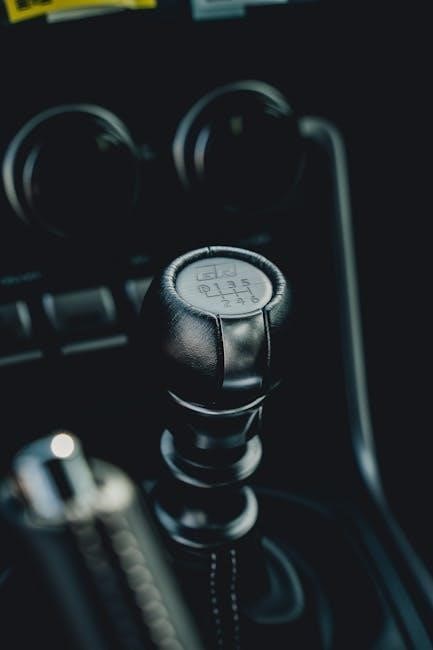
Detailed Location Guide: Ram Trucks (2500/3500)
For Ram 2500/3500 trucks‚ the manual regeneration switch is typically found on the lower dashboard‚ left of the steering wheel‚ or within the center console.
Switch Location on Dashboard (Specific Years)
The location of the manual regeneration switch on Ram 2500/3500 dashboards varies slightly depending on the model year. Generally‚ for models between 2007 and 2012‚ the switch is often positioned on the lower left side of the dashboard‚ easily accessible to the driver. It’s typically a rectangular button‚ often labeled with “Diesel Particulate Filter” or a similar designation.
From 2013 onwards‚ Ram often integrated the regeneration switch into the bank of auxiliary switches located below the climate controls. Identifying the correct switch requires referencing the owner’s manual‚ as the labeling can be subtle. Some later models may feature a dedicated button within the center console area‚ alongside other vehicle controls. Always consult your specific vehicle’s documentation for precise location details.
Identifying the Correct Switch – Visual Guide
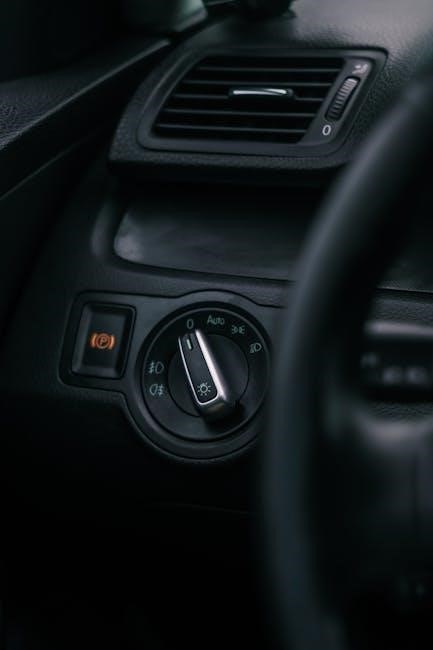
The 6.7 Cummins manual regeneration switch isn’t universally styled. Early models (2007-2012) typically feature a rectangular‚ backlit button‚ often amber or yellow‚ with etched lettering indicating “DPF Regen” or a similar phrase. Later Ram trucks (2013+) often incorporate the switch into auxiliary switch panels‚ appearing as a smaller‚ momentary-contact button.
Look for a symbol resembling a particulate filter or exhaust aftertreatment system. The switch may also illuminate when pressed‚ confirming activation. If unsure‚ consult your owner’s manual for a diagram pinpointing the exact switch location and appearance for your specific year and trim level. Online forums dedicated to Cummins engines often contain user-submitted photos aiding in visual identification.

Manual Regeneration Procedure – Step-by-Step
Before initiating‚ ensure adequate diesel exhaust fluid (DEF) levels and a safe‚ open location; then‚ with the ignition on‚ press and hold the regeneration switch.
Pre-Regeneration Checks (Fluid Levels‚ etc.)
Prior to initiating a manual regeneration cycle on your 6.7 Cummins engine‚ several critical checks are essential for a successful and safe process. First‚ verify an adequate supply of Diesel Exhaust Fluid (DEF). A low DEF level can inhibit regeneration and potentially trigger a derate. Next‚ confirm sufficient fuel in the tank – regeneration consumes extra fuel.
Inspect the engine oil level; while not directly consumed during regeneration‚ proper lubrication is always vital. Ensure there are no active engine fault codes that could interfere with the process. Finally‚ choose a safe‚ well-ventilated location‚ as the regeneration process generates significant heat and exhaust gases. Ignoring these pre-checks can lead to incomplete regeneration or even engine damage.
Initiating the Manual Regeneration Cycle
With pre-regeneration checks completed‚ initiating the manual regeneration cycle typically involves accessing the vehicle’s diagnostic menu via the multi-function display. Locate the regeneration option – its exact name varies by model year and truck configuration. Once selected‚ the system will prompt confirmation‚ outlining the process and necessary conditions.
Ensure the vehicle remains stationary during the entire cycle‚ which can last up to 30-60 minutes. The engine RPM will automatically be controlled by the system. Do not interrupt the process. Monitor the progress on the display; successful completion will be indicated by a message. Avoid prolonged idling post-regeneration; a short drive helps finalize the process and restore optimal performance.
Troubleshooting Common Regeneration Issues
If regeneration fails‚ check for error codes using a diagnostic scanner‚ ensuring proper fluid levels and addressing any sensor malfunctions promptly.
Regeneration Not Starting
When the 6.7 Cummins regeneration cycle won’t initiate‚ several factors could be at play. First‚ verify sufficient Diesel Exhaust Fluid (DEF) levels‚ as a low DEF supply often prevents regeneration. Next‚ inspect for any Diagnostic Trouble Codes (DTCs) using a scan tool; these codes pinpoint specific sensor failures or system issues.
A faulty DPF pressure sensor‚ a malfunctioning exhaust temperature sensor‚ or even a problem with the Engine Control Module (ECM) can all inhibit the regeneration process. Ensure the engine has reached the appropriate operating temperature before attempting a manual regeneration. Finally‚ confirm the manual regeneration switch itself is functioning correctly – a simple test can rule out a faulty switch.
Regeneration Failing to Complete
If the 6.7 Cummins manual regeneration begins but doesn’t finish‚ it usually indicates an underlying issue hindering the process. A common cause is insufficient engine load during regeneration; the engine needs to work to generate the necessary exhaust temperatures. Interrupted driving cycles‚ like frequent short trips‚ can also prevent completion.
Check for exhaust leaks‚ as these lower exhaust gas temperatures. A failing fuel injector or a restricted air intake can also contribute to incomplete regeneration. Scan for DTCs to identify potential sensor malfunctions or system faults. In severe cases‚ a severely clogged DPF might require professional cleaning or replacement if regeneration repeatedly fails.
Cummins Power Systems & Onan Connection
Originally Onan‚ now Cummins Power Generation/Systems‚ this division’s evolution reflects Cummins’ broader commitment to power solutions and engine technology advancements.
Historical Overview of Onan and Cummins
Onan‚ founded in 1920‚ initially specialized in producing portable generators and engines‚ becoming a prominent name in the power generation sector. Over decades‚ Onan built a reputation for reliable power solutions‚ serving both residential and commercial markets. In 2000‚ Cummins‚ a leading engine manufacturer‚ acquired Onan‚ integrating its capabilities into a new division – Cummins Power Generation‚ later rebranded as Cummins Power Systems.
This acquisition strategically expanded Cummins’ portfolio beyond diesel engines‚ allowing them to offer a comprehensive range of power generation products. The Onan brand continues today‚ representing Cummins’ consumer and light commercial power systems‚ while Cummins leverages Onan’s expertise in generator technology and distribution networks. This synergy strengthens Cummins’ position as a global power leader.
Relevance to Cummins Engine Technology
The integration of Onan into Cummins wasn’t merely a business expansion; it fostered significant advancements in Cummins’ engine technology‚ particularly concerning power electronics and control systems. Onan’s expertise in generator sets directly influenced the development of more efficient and reliable engine management systems‚ crucial for meeting stringent emission regulations.
This synergy is particularly relevant to the 6.7 Cummins engine and its Diesel Particulate Filter (DPF) system. The sophisticated control modules governing regeneration cycles benefit from Onan’s legacy in power management. Furthermore‚ the combined research and development efforts contribute to optimizing engine performance while minimizing environmental impact‚ ensuring compliance and longevity of the engine.
Cummins Inc; – Company Overview & Technologies
Cummins is a global power leader designing‚ manufacturing‚ and distributing diesel and alternative fuel engines‚ alongside related technologies and components worldwide.
Cummins as a Global Leader in Engine Technology
Cummins Inc. stands as a prominent force in the engine technology sector‚ consistently innovating across diesel‚ alternative fuels‚ and power generation systems. Their extensive portfolio caters to diverse industries‚ including automotive‚ industrial‚ and recreational markets. A key aspect of their leadership involves addressing stringent emission regulations‚ exemplified by their advanced Diesel Particulate Filter (DPF) systems.
These systems‚ integral to modern Cummins engines like the 6.7L‚ necessitate effective regeneration strategies. Cummins’ commitment extends beyond engine production to encompass comprehensive service and support networks globally‚ ensuring customers receive optimal performance and longevity from their power solutions. They continually invest in research and development to refine engine efficiency and reduce environmental impact.
Focus on Diesel and Alternative Fuel Engines
Cummins’ core expertise lies in the design and manufacturing of both diesel and alternative fuel engines‚ powering a vast array of applications worldwide. While diesel remains a significant focus‚ the company actively pursues advancements in natural gas‚ hydrogen‚ and electric technologies. This dual approach allows Cummins to cater to evolving market demands and increasingly stringent environmental standards.
The 6.7L Cummins engine‚ a mainstay in heavy-duty trucks‚ exemplifies their diesel prowess. Simultaneously‚ Cummins invests heavily in research to develop cleaner‚ more sustainable power solutions. This commitment is reflected in their sophisticated emission control systems‚ including the DPF‚ and the associated manual regeneration features designed to maintain optimal engine performance and minimize environmental impact.
EPA 07 Diesel Regulations and Regeneration
EPA 07 regulations necessitate advanced emission control systems‚ like DPFs‚ requiring frequent regeneration cycles to maintain compliance and reduce harmful pollutants effectively.
Impact of EPA Regulations on DPF Systems
The stringent EPA regulations‚ particularly those introduced with EPA 07‚ dramatically altered diesel engine technology‚ mandating the inclusion of Diesel Particulate Filters (DPFs). These filters capture soot‚ significantly reducing harmful emissions. However‚ DPFs aren’t self-cleaning; they require periodic regeneration – a process of burning off accumulated soot.
EPA standards dictate the frequency and effectiveness of this regeneration. Insufficient or interrupted regeneration leads to DPF clogging‚ impacting engine performance and potentially triggering costly repairs. Consequently‚ the manual regeneration switch became a vital tool‚ allowing drivers to initiate a cleaning cycle when automatic regeneration isn’t sufficient‚ ensuring continued compliance and optimal engine function. Truck builders now alert drivers about potential stops during runs for regeneration.
The Need for Frequent Regeneration
Frequent regeneration is essential for 6.7 Cummins engines equipped with Diesel Particulate Filters (DPFs) due to the nature of diesel combustion and increasingly strict emission standards. The DPF traps soot‚ and as it fills‚ exhaust backpressure increases‚ reducing engine efficiency and potentially causing damage.
Automatic regeneration cycles occur while driving‚ but these aren’t always sufficient‚ especially with frequent short trips or idling. This is where the manual regeneration switch becomes critical. Initiating a manual regen ensures the DPF clears‚ preventing performance loss and costly repairs. Ignoring the need for regeneration can lead to significant engine issues and non-compliance with EPA regulations‚ highlighting the importance of proactive maintenance.